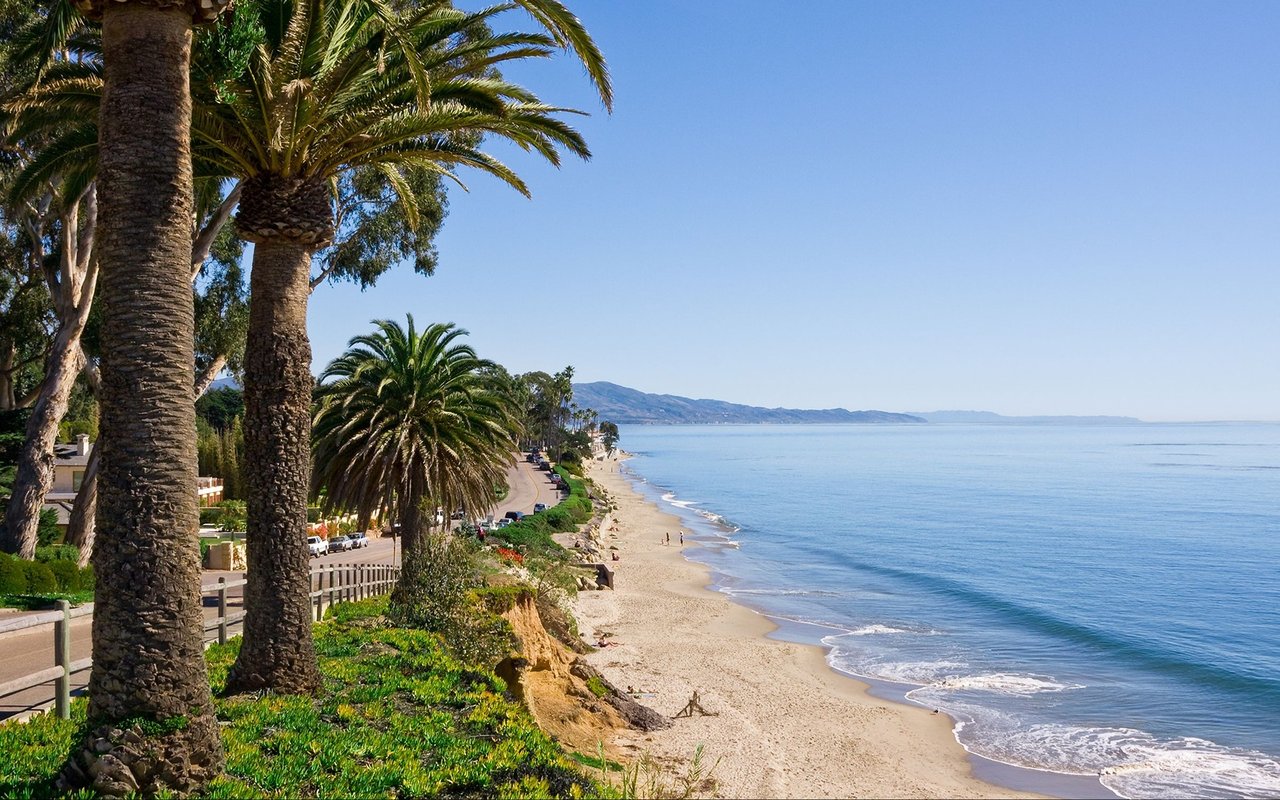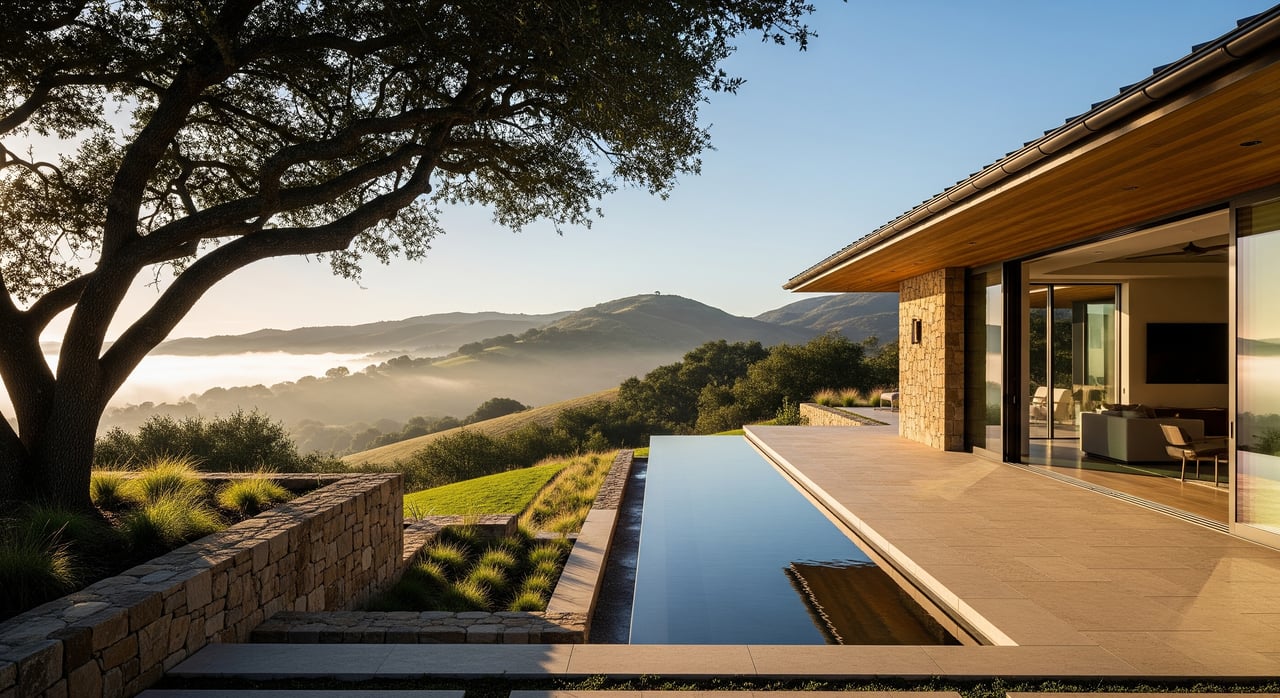
Fog at breakfast and sunshine by lunch. If you have toured the Rancho San Antonio foothills, you have felt this shift. Buying in the hills means enjoying views and privacy, but it also means living with microclimates that change from block to block. In this guide, you will learn how those patterns work, how they affect daily comfort and maintenance, and what to look for during showings and inspections. Let’s dive in.
What creates Rancho San Antonio microclimates
Marine layer mornings
Overnight and into the morning, cool, humid air from the Pacific often pushes inland. Where it reaches the lower foothills, you see low clouds or fog, cooler temperatures, and damp surfaces. The depth and strength of this marine layer varies by day and season. It tends to be more frequent in late spring and early summer, but it can show up any month.
Afternoon sea breezes
As the day warms, onshore breezes strengthen and help clear morning clouds. In the foothills, this usually brings a warm, dry trend through the afternoon. Wind strength and direction change with elevation and exposure. Homes on open ridgelines feel stronger afternoon breezes. Homes in protected ravines feel calmer and cooler.
Slope, aspect, and wind channels
Slope angle and orientation change sun and wind exposure. South- and west-facing slopes get more direct sun and run warmer and drier. North- and east-facing slopes stay cooler and hold more moisture and fog. Canyons and saddle points can also funnel wind, which is why two nearby homes can feel very different.
Seasonal swings you can feel
Transitional seasons bring the biggest day-to-night temperature swings. Mornings may be cool and damp, while afternoons feel notably warmer. This swing affects comfort, energy use, and even how plants perform. It is common for two homes a short walk apart to have different comfort profiles and landscaping needs.
Terrain and hazard overlays
Microclimate factors connect with slope stability and wildfire risk. Shaded, wetter ravines can grow more vegetation and see more erosion. Dry, wind-exposed slopes have greater wildfire spread potential. County hazard maps, USGS resources, and CalFire severity zones are useful context as you evaluate lots and exposures.
What this means for daily living
Comfort and HVAC
Morning humidity and cool air can make interiors feel chilly, while afternoons can push you to cool or ventilate. HVAC systems work best when sized and controlled for these shifts. Look for smart or programmable thermostats and zoning that manage morning heat needs and afternoon cooling. Proper thermostat placement matters.
Moisture and the building envelope
Persistent fog and damp air can wet exterior surfaces and raise attic or crawlspace humidity if ventilation is weak. Pay close attention to roof flashing, gutters, siding junctions, and window seals. In shaded, moist corners, capillary moisture can reach foundations, decks, or patios and lead to rot or mold over time.
Corrosion and materials
Coastal moisture and salt speed up metal corrosion. Exterior fasteners, flashing, HVAC cabinets, and outdoor fixtures last longer when they are stainless or properly coated for coastal exposure. If you see rusted fasteners or failing coatings, plan for upgrades.
Indoor air quality
Humid mornings can cause musty odors and increase mold or dust mite concerns if ventilation is poor. Afternoons often bring breezes that improve natural airflow if you have well-placed, operable windows. Mechanical ventilation with filtration helps manage a day that starts humid and ends windy.
Daylight and solar
Morning fog can dim interior light and hide views. Visit at multiple times of day to get a true sense of light and outlook. For solar power, south- and west-facing roofs usually perform best, but nearby ridgelines and trees can create seasonal shading. Confirm both slope and shade patterns before you size a system.
Energy use patterns
Expect different energy peaks by season: some months lean on morning heating, others on afternoon cooling. Landscaping, shade trees, exterior shading, and thermal mass can help smooth these swings and reduce bills.
Yards, slopes, and wildfire readiness
Plant selection and placement
The coastal foothills favor many Mediterranean and drought-tolerant species. Cooler, moister micro-sites, like north-facing areas or riparian corridors, can also support plants that prefer more humidity. Native and drought-tolerant choices adapted to the Santa Barbara foothills are smart and often easier to maintain. Avoid high-fuel species near structures and keep landscapes well irrigated and maintained to reduce dead fuels.
Defensible space and home hardening
Foothill areas face elevated wildfire risk. Plan for defensible space and home-hardening measures such as ember-resistant vents, Class A roofing, and non-combustible or ignition-resistant exterior materials. Guidance from CalFire and Santa Barbara County Fire outlines defensible space distances and best practices. Local rules may be stricter than state guidance, so confirm details with county officials.
Drainage and erosion control
Vegetation patterns and concentrated runoff can undermine slopes and retaining walls. Proper drainage, grading, and surface water control are essential. On steeper lots, a geotechnical evaluation is standard. After heavy rains, inspect retaining walls, swales, and downspouts and address any new cracks or settlement.
Outdoor living usability
Morning fog can keep patios cool, while afternoon breezes can make evenings pleasant. Plan outdoor rooms to fit your preferences. Covered patios, wind screens, and choosing sheltered versus exposed zones help you enjoy the yard during more hours of the day.
How to tour and inspect a foothill home
Time your showings
- Visit in the morning to experience marine-layer conditions: humidity, cooler temps, driveway dampness, and any view obstruction.
- Visit again in mid-to-late afternoon to check clearing, sun exposure, warmth, wind, and actual views.
- If possible, stop by in the evening to feel temperature drops and hear wind in trees.
Bring the right specialists
- General home inspector for the full system overview.
- Geotechnical engineer for steep slopes, signs of past movement, or unpermitted grading.
- Structural engineer for retaining walls, foundations, large terraces, or visible settlement.
- Pest and wood-destroying organism inspector for damp, shaded areas.
- HVAC contractor familiar with coastal microclimates to review sizing, duct insulation, and dehumidification.
- Roofing contractor to evaluate flashing, vent seals, and coastal-appropriate attachment details.
- Landscape or fire-hazard specialist, or consult local fire authorities, to review defensible space.
Inspection checklist: what to look for
- Roof, flashing, and gutters: signs of corrosion, blocked gutters, ponding, or failing sealants.
- Attic and crawlspace: hygrometer readings, insulation, ventilation, and any mold or rot. Infrared imaging is a plus.
- Windows and doors: failed seals, fogging in double-glazed units, soft sills in shaded zones.
- Exterior materials and fasteners: rust, peeling coatings, or compromised hardware.
- Foundation and grades: drainage that pushes water toward the home, exposed footings, or misdirected downspouts.
- Retaining walls and slopes: leaning, cracking, bulging soil, or tension cracks upslope.
- HVAC performance: test during cool, damp mornings and warmer afternoons if possible.
- Paving and driveways: deterioration from repeated wet-dry cycling and vegetation in joints.
- Vegetation and fuel continuity: plant distance from structures, dead branches, and ladder fuels.
Questions to ask the seller or listing agent
- Any history of moisture, mold, or rot and what repairs were done.
- Roof, HVAC, and exterior finish ages and maintenance records, including any upgrades to coastal-grade materials.
- Past slope movement, landslide repairs, or existing geotechnical reports.
- Any wildfire damage, ember strikes, or insurer-noted exposures.
- Irrigation practices and water availability for landscaping.
Budgeting, insurance, and resale
Insurance, disclosures, and financing
Wildfire exposure and local hazard designations can affect insurance availability and premiums. Speak with insurers early to understand coverage options and any required mitigation. Review county-required disclosures and verify permits for grading, slope repair, or fire-hardening work. Lenders may have additional conditions based on location and hazards.
Maintenance you should plan for
- Roof and gutter cleaning with extra attention to corrosion and flashing details.
- Annual attic and crawlspace moisture checks and ventilation tuning.
- HVAC service that includes coastal corrosion inspection and filter management.
- Yearly defensible-space maintenance and ignition-resistant landscaping care.
- Regular review of retaining walls, drainage swales, and downspouts, especially after major storms.
Resale impacts
Homes that document defensible space, home-hardening, coastal-grade materials, and credible geotechnical or structural reports are easier to market. Buyers value clarity. If your site often sits in morning cloud, set expectations by showing the property at different times of day and highlighting afternoon views and light.
How a local advisor helps
A foothill purchase is as much about microclimate fit as it is about floor plan. A local advisor helps you compare pockets within Rancho San Antonio, plan smart showings, and assemble the right inspection team. You benefit from guidance on materials, mitigation, and realistic maintenance budgets.
If you want a tailored plan for your search, connect with a Santa Barbara native who understands these nuances and represents buyers across the foothills. Reach out to David Magid to talk through your goals, timing, and the specific exposures you want to embrace or avoid.
FAQs
What is the marine layer and how often does it affect Rancho San Antonio?
- The marine layer is a shallow blanket of cool, humid coastal air that often moves inland overnight and in the morning; its presence varies by day and season and tends to ease by afternoon.
How do slope and aspect change comfort and energy use in foothill homes?
- South- and west-facing slopes run warmer and drier with more sun, while north- and east-facing slopes stay cooler and moister, which affects heating, cooling, and ventilation needs.
Do I need a geotechnical report when buying on a slope in Rancho San Antonio?
- On sloped lots or where there are signs of movement or unpermitted grading, a geotechnical evaluation is essential prior to purchase; on flatter lots it may be optional.
How should I plan for wildfire risk in the foothills?
- Create defensible space, consider home-hardening features, and confirm local requirements with Santa Barbara County Fire; plan for ongoing vegetation management each year.
Will morning fog ruin ocean or city views from a foothill home?
- Not necessarily; visibility shifts through the day and season, so visit properties in both morning and afternoon to see true light and view patterns.
What materials hold up best to coastal moisture and salt exposure?
- Stainless or appropriately coated fasteners and fixtures, careful flashing, and well-detailed exterior assemblies reduce corrosion and extend component life.