How many white-tailed kites settle into More Mesa's barrancas on a December evening? No agency answers that the way it would for a parking lot or a census tract. The most recent figure on record comes from local residents. In 2021 they counted more than 20 kites roosting in one of the mesa's canyons at sunset, according to the More Mesa Preservation Coalition.
That figure is far below the old baseline. Between 60 and 80 kites have historically gathered in the area in winter, and the coalition calls More Mesa the largest historic kite roost on the South Coast. More Mesa's winter is tracked mostly by people who walk it, and Saturday, January 2, 2027 is when that habit becomes part of a formal count.
Who arrives when the grass turns gold
Kites get the attention, but the winter list on the mesa is longer. The coalition names four wintering species, and the California Department of Fish and Wildlife lists all four as Species of Special Concern:
- Northern harrier. The More Mesa Handbook, compiled in 2008, describes harriers hunting by flying low over the open grassland.
- Short-eared owl. The Handbook lists it as a regular winter visitor and records sightings from December 2007.
- Burrowing owl. The Handbook says these are most often seen by day perched on mounds or low shrubs, and are most active in the morning and evening. Its More Mesa records include two birds in the winter of 2007–08.
- Loggerhead shrike. It is on the coalition's wintering list alongside the raptors and owls.
Resident white-tailed kites are there too. The coalition says More Mesa is one of the few places on the South Coast where kites nest consistently, with one to three breeding pairs in most years.
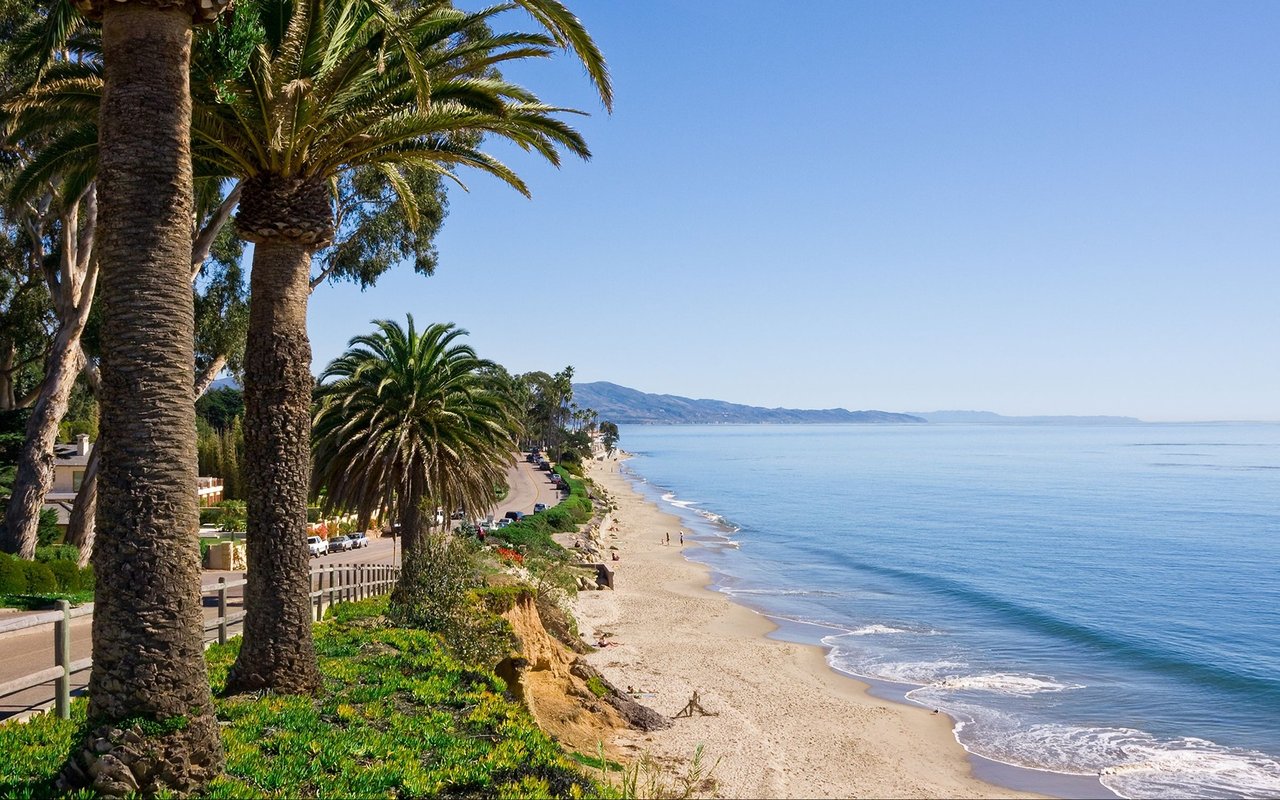
All of this happens because of how the land is laid out. The coalition describes a bluff of more than 300 acres. Most of it is a level grassland terrace, cut by two large canyons that drain north into Atascadero Creek. Harriers and owls hunt the open terrace, and the kites roost in the canyons.
A roost that moves
Over the decades, the kite roost has moved within More Mesa and around Goleta, and the counts have changed with it.
| Period | What the record shows | Source |
|---|---|---|
| Historic winters | 60 to 80 kites gathered in the area | More Mesa Preservation Coalition |
| Late 1980s and early 1990s | Some long-standing roosts moved elsewhere in Goleta | More Mesa Handbook, 2008 |
| Winter 2013 | More Mesa East was one of four local communal roost sites | Santa Barbara Audubon monitoring |
| 2021 | More than 20 kites roosting in one barranca at sunset, counted by residents | More Mesa Preservation Coalition |
Santa Barbara Audubon's kite monitoring report found that More Mesa East was the only one of the four winter roosts confirmed that year to draw kites from nesting and hunting territories elsewhere. Kites were not just sleeping where they fed. Birds from other places flew to More Mesa at dusk, so on a winter evening the roost may hold kites that spent the day hunting well beyond the neighborhood.
The Handbook describes these communal roosts as forming in the evening, and the 2021 count was made at sunset. The coalition adds that kite roosts can shift over time. So a canyon that was busy one winter may be quiet the next, and only repeat visits show which.
Watching from the edge at dusk
The hour that makes a good count is also the hour when the birds are easiest to scare off. The Handbook warns that kites are sensitive to disturbance near nests and roosts, especially before nightfall. People within roughly 100 to 150 feet may flush them. In practice, that means counting from a distance with binoculars and leaving the canyon rims alone in the last light.
For an evening visit, the west entrance to the More Mesa Open Space is on Shoreline Drive. The coalition's directions say to take Patterson Avenue south, cross the bike path and the bridge over Atascadero Creek, and follow the road as it bends left and becomes Shoreline Drive. Just past the driveway to the horse stables and riding ring, a broad road shoulder has room for several cars. The coalition and Santa Barbara Audubon used the same meeting point for their More Mesa Birdathon on October 10. That morning was planned around fall migration and the expected arrival of wintering harriers, owls and shrikes.
If you go at dawn instead, Cajé Coffee Roasters opened its sixth shop at 5340 Hollister Ave. and moved to full-time hours of 6 a.m. to 6 p.m. on September 18. The bike route nearby is growing too. Goleta's October update on the San Jose Creek bike path says a new southern section beside Highway 217, which connects to the Atascadero Creek Bikeway, is built but still closed while construction continues. Check the city's project page before planning a ride on it.
January 2 puts those sightings on the record
On Saturday, January 2, 2027, Santa Barbara Audubon runs its 127th Christmas Bird Count. The count covers a circle with a 7.5-mile radius centered at 34.451248, -119.762698. eBird places More Mesa at 34.4215576, -119.7963064, about 2.8 miles from that center, so the whole mesa is well inside the count area.
Recent counts make the case for more people taking part. The count held January 3, 2026 found 178 species. Audubon's historical table lists 214 species for the count the year before. The species total for the count circle varies from year to year, and each total depends on which habitats have someone out looking. More Mesa's grassland is where the harriers and winter owls live.
To get involved:
- Sign up through the Santa Barbara Audubon Christmas Bird Count page, which links to registration on Mobilize. Questions go to [email protected].
- Expect an assigned area. Audubon's participant instructions say counters are given areas and link to a map of them.
- Watch for details. Audubon says it will post more about CBC127 later in the year. Its "reminders" section is marked to be updated in late 2026.
- Know the count week. It covers the three days before and after count day.
Backyards have counted in past years. In December 2024, ahead of that season's count, the Santa Barbara Independent reported that people with feeders could count the birds in their yards and submit the tally through eBird without registering. Audubon has not yet posted its 2027 instructions, so check its page before count day.
After last winter's count, results were tallied at a compilation dinner in Fleischmann Auditorium at the Santa Barbara Museum of Natural History, 2559 Puesta del Sol, with a Zoom option for people joining from home.
Before January, closer to home
Santa Barbara Audubon has nothing scheduled at More Mesa this fall, but its November calendar has two outings nearby. A bird walk at Ellwood Mesa on Friday, November 6, runs from 8:30 to 10:30 a.m. and lists raptors among its target birds. Ellwood's grassland bluff is a good place to practice spotting a harrier before trying it on your own mesa. On Tuesday, November 10, at 7 p.m., Audubon and the Museum of Natural History host an evening program at the Museum.
Why the counts matter for the land itself
Winter records are more than a hobbyist's list here. The More Mesa Preservation Coalition puts it plainly: "Many people assume that More Mesa is already protected open space, but it isn't." The coalition says most of the land is privately owned and listed for sale. It is running a campaign to buy the 265 private acres next to the County-owned More Mesa Open Space and protect them permanently. Its April 9 benefit concert at the Lobero Theatre with the Doublewide Kings drew more than 500 people.
The coalition's case for protecting the mesa rests on the same species list as this post: the historic kite roost, the nesting pairs, and the four wintering species of special concern.
If watching the winter roost from Shoreline Drive is part of why More Mesa feels like home, David Magid would like to hear about it. As a Santa Barbara native, David can talk through what living beside the mesa means for your property, whether you're planning a move or simply want a current home valuation. Schedule a consultation.