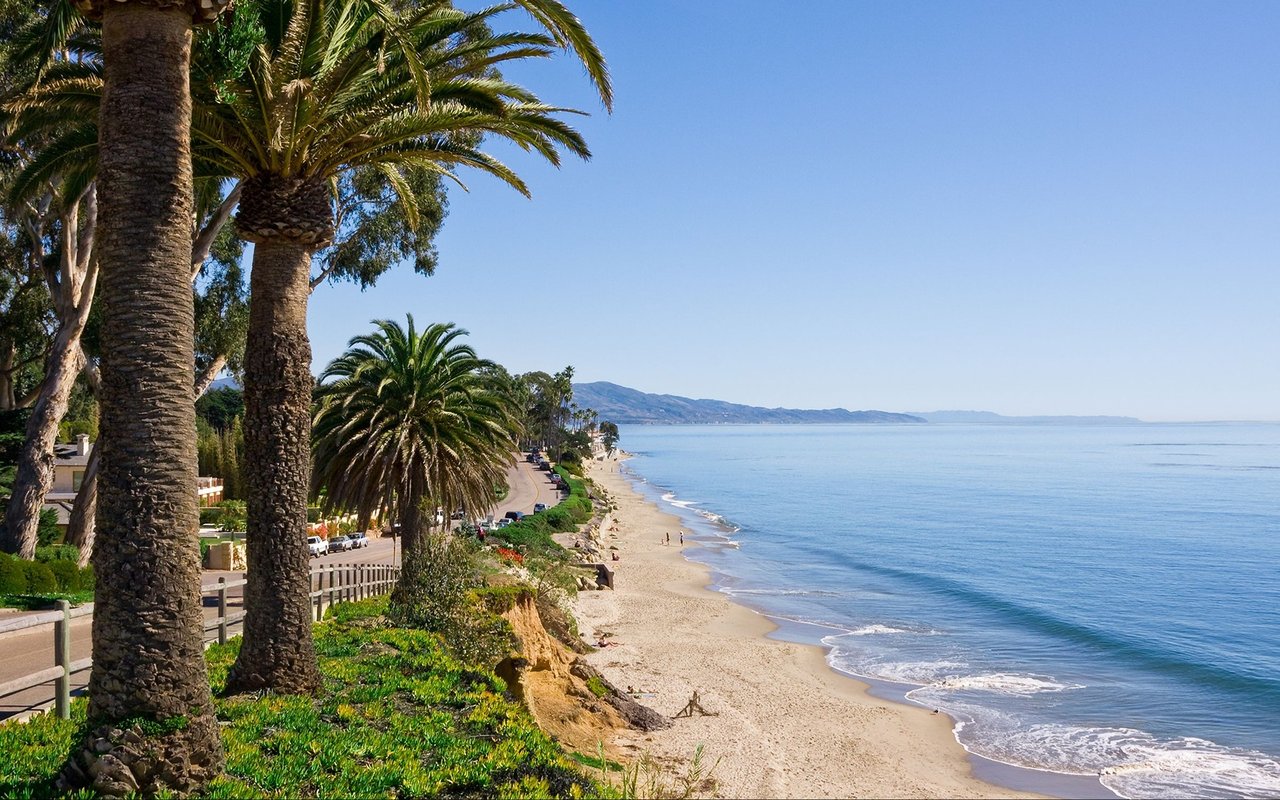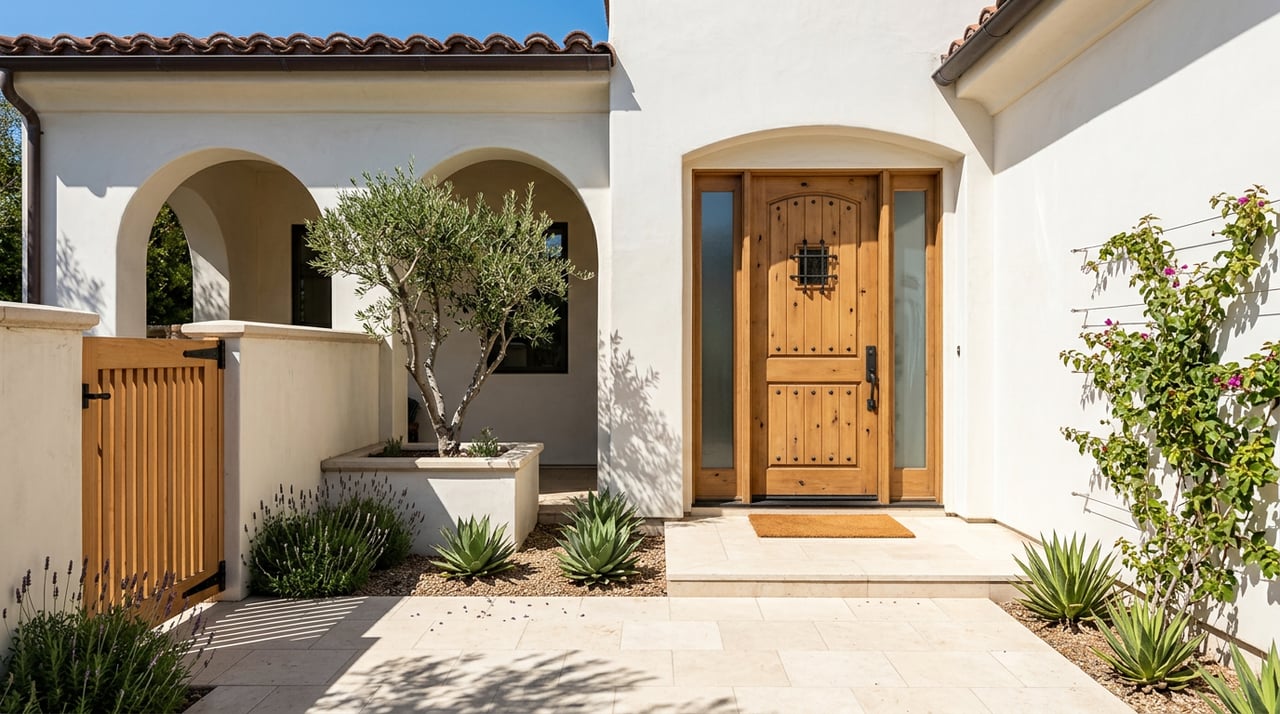
Thinking about trading Santa Barbara’s coastal breezes for mountain views and more space in Sierra Madre? You are not alone. Many Santa Barbara owners look east when they want privacy, hillside scenery, and a different daily rhythm. In this guide, you will weigh the real options and tradeoffs, from neighborhoods and pricing to wildfire rules, commute patterns, and buy-sell timing. Let’s dive in.
Sierra Madre at a glance
Sierra Madre is a small, walkable foothill city at the base of the San Gabriel Mountains. The housing stock ranges from compact village homes to larger hillside properties with views. Because the city is only a few square miles and has low monthly sales, pricing looks choppy month to month. Recent reports show a wide range, with monthly medians around the low $900,000s in thin months and typical values closer to the mid $1 millions across broader time frames. In practice, recent closings span roughly $900,000 to $1.6 million, with both sub‑$1 million cottages and multi‑million‑dollar estates trading within weeks of each other. Always verify current comps with a local MLS snapshot before you set a budget or list price.
If you will keep ties in Santa Barbara, plan for distance. The drive from Santa Barbara to Sierra Madre is roughly 100 to 110 miles, commonly about 104 miles by car, so weekly trips are long. For daily life, most Sierra Madre residents work closer to home. The mean travel time to work is about 27.9 minutes, which reflects a local commute pattern in the San Gabriel Valley and Pasadena area rather than long coastal drives. You can check the city’s commute data in the U.S. Census Bureau’s QuickFacts and confirm distance expectations using a trusted driving-distance resource like the Santa Barbara to Sierra Madre route overview.
- Reference: U.S. Census QuickFacts: Sierra Madre city
- Reference: Driving distance Santa Barbara to Sierra Madre
Neighborhood primer: village vs. hills
Sierra Madre’s character shifts as you head north and east toward the foothills. Understanding these micro-areas will help you target the right fit for your lifestyle and budget.
Old Town and village streets
Closer to the center, you will find smaller lots, front porches, and a pedestrian-friendly main street. Homes here lean historic and cozy, with Craftsman and early 20th‑century styles common. You trade larger yards for walkability, lower landscape maintenance, and quick access to cafes and parks. Pricing can be more approachable than the view-laden hills, but condition varies, so inspections matter.
North and east hillsides
As you move into the foothills and ridge streets, lots tend to grow, views open up, and privacy increases. Many parcels hover around a quarter to a half acre, with a mix of mid‑century ranch, Spanish, and custom modern homes. You gain space and scenery, but you also take on more yard work, potential slope management, and stricter rules for additions or new construction. Driveways can be steep, and access roads can narrow as elevation rises.
Key tradeoffs for move‑up buyers
Every move-up decision balances budget, lifestyle, and risk. Here are the issues most Santa Barbara owners weigh on the road to Sierra Madre.
Yard size vs. maintenance
Bigger parcels bring outdoor living and privacy, but they also raise your ongoing costs. Expect more irrigation, tree care, and hardscape upkeep. Hillside lots can include retaining walls and drainage features that need periodic attention. If you prefer a lower‑maintenance setup, the village core offers smaller yards that are easier to manage.
Architecture and renovation risk
Sierra Madre is known for Craftsman bungalows, Spanish and mission influences, mid‑century ranches, and the occasional modern build. With older homes, charm often comes with project lists. Plan for thorough inspections of roof, plumbing, electrical, foundation, and any unpermitted work. The region’s historic pedigree includes early Craftsman examples by Greene & Greene in greater Pasadena, which underscores the local appreciation for period details and preservation.
- Learn more about Craftsmanship heritage: Columbia University’s Greene & Greene archive
Views and privacy vs. access and code limits
Hillside living delivers sweeping views and seclusion, but you may face narrower roads, longer driveway grades, and stricter rules on what you can build. Before you write an offer, review setbacks, slope limits, and any hillside-specific requirements. Ask for the property’s permit history and consult local zoning resources to understand what is allowed on a given lot.
- Start with a zoning overview: Sierra Madre zoning code resource
Wildfire exposure, insurance, and defensible space
Sierra Madre participates in California’s updated Fire Hazard Severity Zone mapping. If a home sits in a higher-risk area, you will likely need to plan for defensible-space work, home-hardening upgrades, and potentially higher insurance premiums. Sellers must disclose wildfire and other hazards through California’s required forms. As a buyer, contact insurers early so you know what coverage is available and at what cost.
- City resource: Fire Hazard Severity Zone updates and defensible space
Climate and lifestyle: coast vs. foothills
Compared with Santa Barbara’s marine moderation, Sierra Madre runs warmer in summer and cooler at night in winter. The fire season is more pronounced inland. Expect to lean more on efficient HVAC, shading, and drought‑aware landscaping. If you are moving from a small coastal yard, revisit your water use and maintenance budgets for a larger inland lot.
Commute and transit choices
Most residents work in the San Gabriel Valley and Pasadena, with many car commutes and some rail riders. The nearest light‑rail access is the Metro A Line at Sierra Madre Villa Station in neighboring Pasadena. It is a useful option for trips toward central Los Angeles. If you will still split time with Santa Barbara, plan weekly rather than daily travel to keep stress and costs in check.
- Transit context: Metro A Line’s Sierra Madre Villa Station
Schools and programs
Sierra Madre is served by Pasadena Unified. Local schools, including Sierra Madre Elementary and Middle, have received state recognition in recent years. Always verify boundaries and program availability with the district, since offerings can change.
- District campus page: Sierra Madre Elementary, Pasadena Unified
How to sequence your move
Your timing plan will shape both your stress level and your bottom line. The right choice depends on your equity, financing options, and tolerance for carrying two homes at once.
Option 1: Sell first, then buy
This route lowers financial risk because you know your net proceeds before you purchase. You also avoid carrying two mortgages. The tradeoff is the possibility of temporary housing while you shop. If a buyer agrees, a rent‑back can let you stay in your Santa Barbara home for a short period after closing. Keep your disclosure timelines tight. In California, the Transfer Disclosure Statement and Natural Hazard Disclosure are required, and late delivery can revive limited buyer cancellation rights.
- Reference on California disclosures and timing: Overview of TDS and NHD obligations
Option 2: Buy first for convenience
Buying first minimizes disruption to your daily life. You move once and list your current home after you are settled. The cost is higher because you may carry two mortgages. Bridge financing, a HELOC, or specialized buy‑before‑you‑sell services can unlock equity for your down payment. These solutions charge fees and interest, and eligibility depends on your credit, equity, and local program coverage.
- Consumer overview of buy‑before‑you‑sell services: Bankrate’s guide to Knock‑style solutions
Contingent and backup offers
Sale‑contingent offers still work in some cases, but they are less competitive when inventory is tight. A backup offer is a useful tactic. It activates if the first deal cancels. If you need speed or guaranteed timing, iBuyer or institutional programs can help, but compare the all‑in fees and net proceeds to an open‑market sale before you commit.
- Program comparisons and fees: iBuyer and buy‑before‑you‑sell overview
A simple move‑up checklist
Work this list before you schedule showings. It will save you time, money, and anxiety.
Get a written pre‑approval and model worst‑case timelines with your lender. If needed, discuss bridge loans or a HELOC and test what carrying two mortgages would cost. A consumer primer on buy‑before‑you‑sell tradeoffs is a helpful starting point.
Order hazard and title reports early. For hillside homes, budget for geotechnical and grading evaluations. Review the city’s Fire Hazard Severity Zone map and defensible‑space requirements.
Request the full permit and utility history for any older home you consider. This helps surface unpermitted work or systems that need updating.
If you are selling in Santa Barbara, calculate net proceeds conservatively, including prep, staging, marketing, and moving costs. Decide whether you need a rent‑back or a short lease to bridge your timelines.
Confirm school boundaries and program details with Pasadena Unified. Link directly to campus pages to stay current.
If property taxes factor into your decision, consult your tax advisor about Proposition 19 base‑year transfer rules for eligible homeowners.
Work with an advisor who understands both markets. You want foothill experience for hillside permitting and defensible-space issues, plus Santa Barbara expertise to maximize your sale and coordinate timing.
Helpful links: Fire Hazard Severity Zone info, Sierra Madre Elementary, Metro Sierra Madre Villa Station, California disclosure overview
Final thoughts
If you are moving up on your personal road to Sierra Madre, clarity is your best asset. Start with the big choices: village walkability or hillside privacy, smaller yard or larger lot, convenience or carrying two homes for a short stretch. From there, lock in financing, study hazard and zoning details, and keep your sale in Santa Barbara on a calm, professional timeline.
When you are ready to plan your move, reach out. As a Santa Barbara native and client‑first Realtor, David Magid can help you price, prep, and sell your current home and connect you with trusted foothill partners so your transition to Sierra Madre is smooth and well‑timed.
FAQs
How different is daily life in Sierra Madre compared with coastal Santa Barbara?
- Sierra Madre is warmer in summer and cooler at night in winter, with a more pronounced fire season; commutes are oriented to Pasadena and the San Gabriel Valley, and lots range from walkable village parcels to larger hillside properties.
What should I know about Sierra Madre home prices before I shop?
- Because the city is small and monthly sales are limited, medians swing; plan for a range around $900,000 to $1.6 million and confirm your target segment with a current MLS comp set before making offers.
Will wildfire risk affect my mortgage or insurance in Sierra Madre?
- Yes; if a property sits in a mapped Fire Hazard Severity Zone, expect to budget for defensible space and home‑hardening, and contact insurers early to confirm coverage and premiums.
How long is the drive from Santa Barbara to Sierra Madre if I keep ties up the coast?
- Plan on about 100 to 110 miles each way, commonly around 104 miles by car; for frequent travel, treat it as a weekly or monthly trip rather than a daily commute.
If I buy before I sell, what will bridge financing or a buy‑before‑you‑sell service cost?
- Costs vary by lender and program, but expect both fees and interest; ask your lender to model several scenarios and review a consumer guide to compare program structures and eligibility.
What disclosures do I need to handle when I sell in California?
- Sellers typically provide the Transfer Disclosure Statement and Natural Hazard Disclosure; late delivery can revive limited buyer cancellation rights, so stay on schedule with your paperwork.