Wondering who can legally walk across land near your home by More Mesa, or how a nearby trail might affect your plans? You are not alone. Whether you are evaluating a listing or preparing to sell, trail and access easements raise practical questions about privacy, improvements, and value. This guide explains what these easements mean in California, how to verify them, and the local steps to take around More Mesa in Santa Barbara. Let’s dive in.
What trail and access easements mean
An easement is a non-possessory property interest that gives someone else the right to use a portion of land for a specific purpose. Easements usually run with the land, so they remain in place after a sale unless they are released or modified.
Common types you may encounter near trails and open space include:
- Express recorded easement. Created by a recorded document. These may be appurtenant, benefiting a neighboring parcel, or in gross, benefiting an organization or agency.
- Prescriptive easement. Can arise through continuous, open, and adverse use over time, based on California law and case facts.
- Implied easement. Often tied to necessity or long-standing prior use, such as access to a landlocked parcel.
- Public access easement or right-of-way. Allows public passage to parks, beaches, or trails. These may come from recorded grants, dedications, or coastal policy in applicable areas.
- Conservation easement. Typically held by a land trust or public agency to protect open space. Some include public access provisions.
Key details to look for are location, width, permitted uses, hours, and who manages and enforces the easement. Recorded easements typically appear on your title report. Unrecorded or prescriptive rights may not, but they can still be enforceable.
How to confirm an easement in California
Start with your title report
Review the Preliminary Title Report. Easements usually appear as exceptions or attachments to the legal description. Note the document numbers and dates so you can pull the original language.
Pull recorded documents
Visit or contact the County Recorder to obtain the easement instrument, plat, or map. Read the description closely to understand the exact corridor, allowed activities, signage rules, and maintenance obligations.
Map it with a survey
Order or review a recent ALTA or boundary survey. Ask the surveyor to locate recorded easements, fence lines, and improvements. A clear map helps you see whether patios, walls, or landscaping extend into an easement area.
Check public maps and agencies
Look for municipal, county, parks, or coastal-access maps that show public dedications and trail alignments. These sources help confirm if a corridor is a public right-of-way or a private path with limited permissions.
Use on-the-ground clues carefully
Walk the site and note signs, gates, worn paths, or posted hours. Speak with neighbors or nearby park staff for historical context. Treat these as clues, not final proof, until you verify with records and professionals.
Impacts when you own or buy near a trail
Use and enjoyment
A public trail or access easement may allow others to pass within a defined corridor. This can affect your privacy and how you use yard space. Understand whether the easement is confined to a specific strip or allows broader passage.
Building and permits
Permanent structures are typically restricted within an easement unless the document allows them. Local planning departments often deny permits that encroach into recorded corridors. Confirm limits early to avoid redesigns.
Insurance and liability
Ownership does not always come with the right to exclude users within a public easement. Check who is responsible for maintenance and whether liability is addressed in the easement language. Ask your insurance carrier how coverage applies.
Marketability and value
Some buyers value proximity to trails and views, while others worry about privacy or limitations on future improvements. Clear documentation and mapping support better decisions and smoother negotiations.
Smart due diligence in escrow
Request complete copies of recorded easement documents along with the preliminary title report. Order an ALTA or boundary survey that shows easement lines. Consider consulting a real estate attorney if public access or prescriptive claims are involved.
If you are selling near More Mesa
Disclose clearly
California sellers must disclose known material facts, including easements. Standard disclosure forms prompt for easements, encroachments, and boundary issues. Accurate disclosure reduces risk and builds buyer confidence.
What to include in your listing
Use factual, specific language. Identify the type of easement, recording date and document number, location and width, who holds or manages it, permitted uses, and whether any improvements lie within the corridor. Upload the recorded documents and relevant survey to your listing files when possible.
Resolve issues early
If questions arise about scope or location, consider obtaining a letter or statement from the easement holder that explains current rules. A survey update can clarify fence lines and structures. Early clarity helps prevent last-minute delays.
Local steps for More Mesa
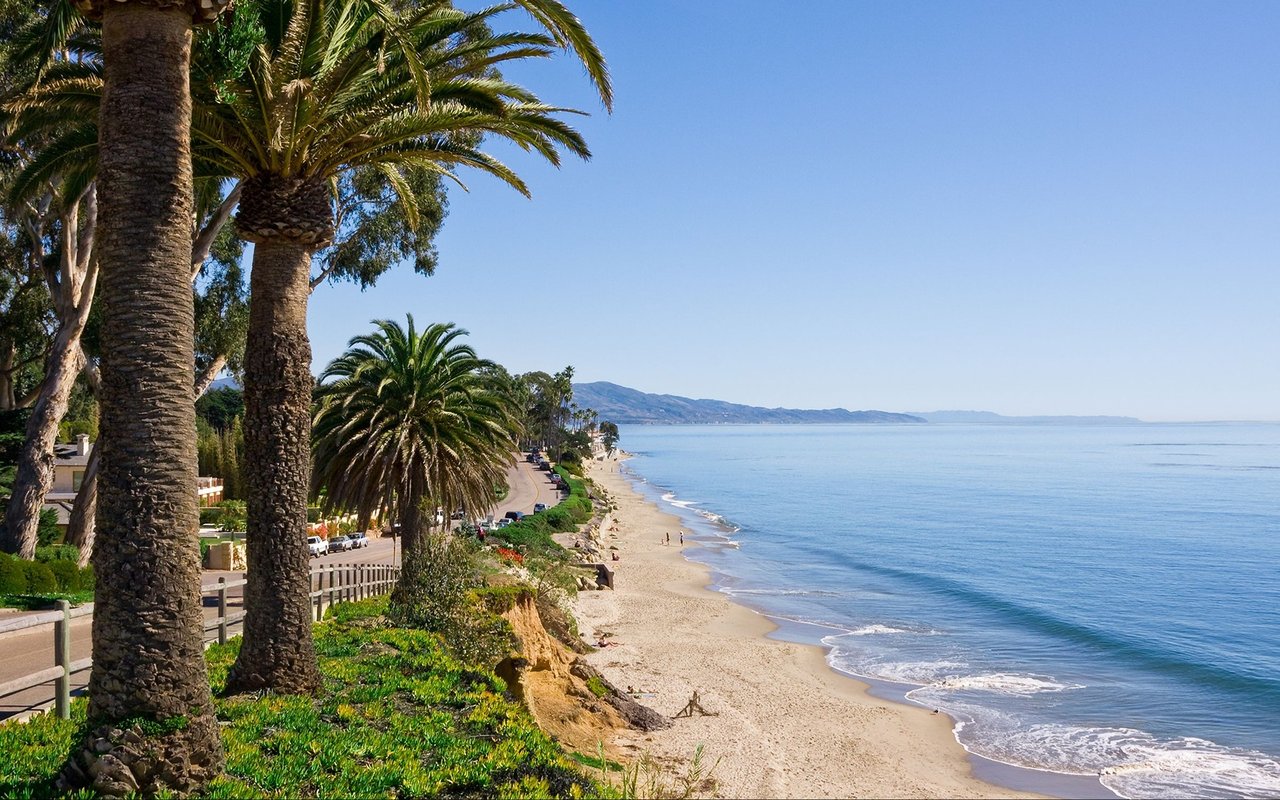
More Mesa Preserve is a coastal open-space area near Goleta and Santa Barbara. Your verification path depends on where the property is located.
For More Mesa area properties
- Contact Santa Barbara City Parks & Recreation and County of Santa Barbara Planning & Development to confirm recorded trail dedications and maintenance agreements.
- Reach out to the More Mesa preservation organization or land trust that manages the preserve to confirm trail locations, hours, and whether access is public or by permission.
- Check California Coastal Commission records and local coastal program materials if the parcel is in or near the coastal zone, since coastal permits often include public access requirements.
- Pull recorded easement deeds and plats from the Santa Barbara County Recorder’s Office. Ask a local title officer to explain title exceptions and available endorsements.
- Engage a local surveyor experienced with coastal easements to map the corridor and identify any encroachments.
When to call in specialists
- Real estate attorney. If easement language is ambiguous, if there are claims of prescriptive use, or if there is a dispute over public versus private access.
- Licensed land surveyor. To locate easement lines on the ground, verify fence locations, and identify encroachments.
- Title officer. To interpret title exceptions and discuss potential endorsements or insurability options.
- Park or land-trust staff. To confirm operational details such as hours, permitted uses, maintenance standards, and enforcement.
Putting it all together
Your best path is straightforward. Verify recorded easements through the title report and County Recorder. Map the corridor with a current survey. Confirm operational details with the managing agency. Disclose clearly if you are selling. For coastal properties near More Mesa, add Coastal Commission records to your review.
If you want a calm, practical plan tailored to your property, reach out. You will get clear steps and a roadmap for title, survey, and agency checks so you can move forward with confidence.
Ready to talk through a property near More Mesa or elsewhere in Santa Barbara County? Schedule a Consultation with David Magid.
FAQs
What is a public access easement on a home near a trail?
- It is a recorded right that allows the public to pass through a defined corridor on or alongside a parcel, with stated limits on location, uses, hours, and maintenance.
How do prescriptive easements work in California near trails?
- They can arise from continuous, open, and adverse use over time, but they are fact-specific and may require legal analysis to confirm or challenge.
Can I move or block a recorded trail easement on my lot?
- Often no without formal approval; relocation or vacation usually requires agreement from the easement holder or a public process, and it may involve conditions or payment.
Will an easement affect my remodel or addition plans?
- Yes, permanent structures are typically restricted within an easement, and planning departments can deny permits that encroach into the corridor.
Who maintains a public trail easement across private land?
- Maintenance responsibilities are usually spelled out in the recorded document, often assigned to the easement holder or managing agency rather than the owner.